Water Storage: Your Most Important Survival Insurance
Water is a resource we take for granted – as long as it flows from the tap, no one thinks about its value. However, in a crisis situation, whether as a result of grid failure, contamination, or armed conflict, water systems can stop within minutes. While the body can withstand several days without food, the limit for survival without water is just three days.
As a security expert, I'll put it bluntly: if your preparations are limited to a pack of mineral water in the garage, you're not ready. Below you will find substantive guidelines on how much water you really need and how to store it safely using available methods.
1. Survival Mathematics: Why is the Standard 8 Liters?
The fundamental mistake of novices is thinking about water only in terms of drinking. A realistic survival standard, guaranteeing a dignified life and health, is 8 liters per person per day.
Composition of the 8L Standard
I recommend securing a supply for at least 14 days. Such a buffer gives time to calm emotions, which is discussed more broadly in our survival psychology.
2. Storage Methods: From PET Bottles to Tanks
The choice of method depends on your budget and available space.
- Level I: Low-budget Method: Use clean PET bottles or can water in jars (boiling in a water bath ensures sterility for years).
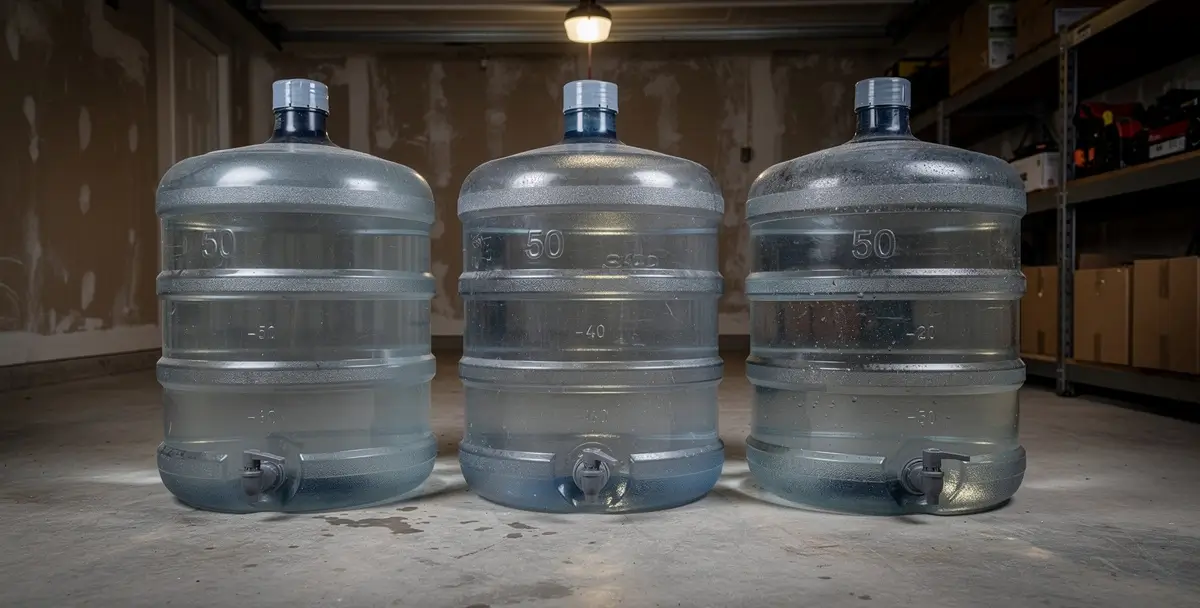
- Level II: HDPE Canisters and Barrels: Best for basements and garages. 10-20L canisters are optimal for carrying.
- Level III: Technical Water: Collecting rainwater for flushing toilets (5-6 liters per cycle) or washing equipment.
3. Golden Protocol: Bath and Batuta
When you hear alarm signals or feel a blackout and power outage approaching, your first instinct should be to fill the bath and all available pots and bottles.
This is a free and instant way to increase your supply by 150-200 liters before the pressure in the pipes drops to zero.
4. What when supplies run out? (Plan B)
Storage is only half the battle. You must know where to get new water.
- Terrain Reconnaissance: Locate the nearest working hand pump (Abyssinian pump) within 1 km of your home.
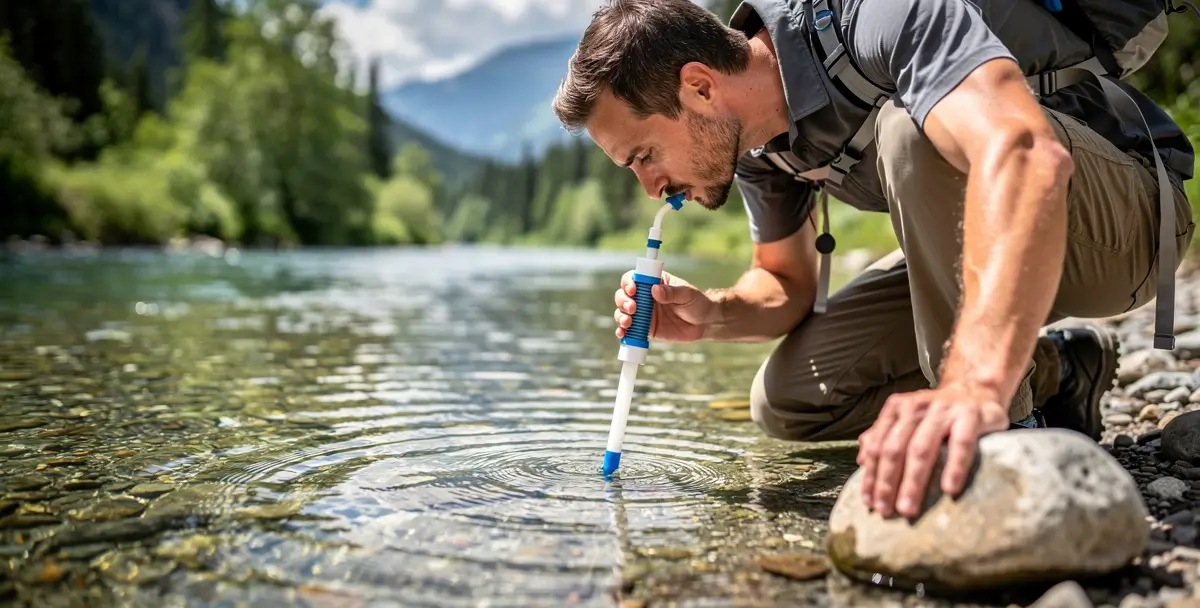
- Filtration and Treatment: Any external water requires treatment. Boiling for at least 2 minutes is basic.
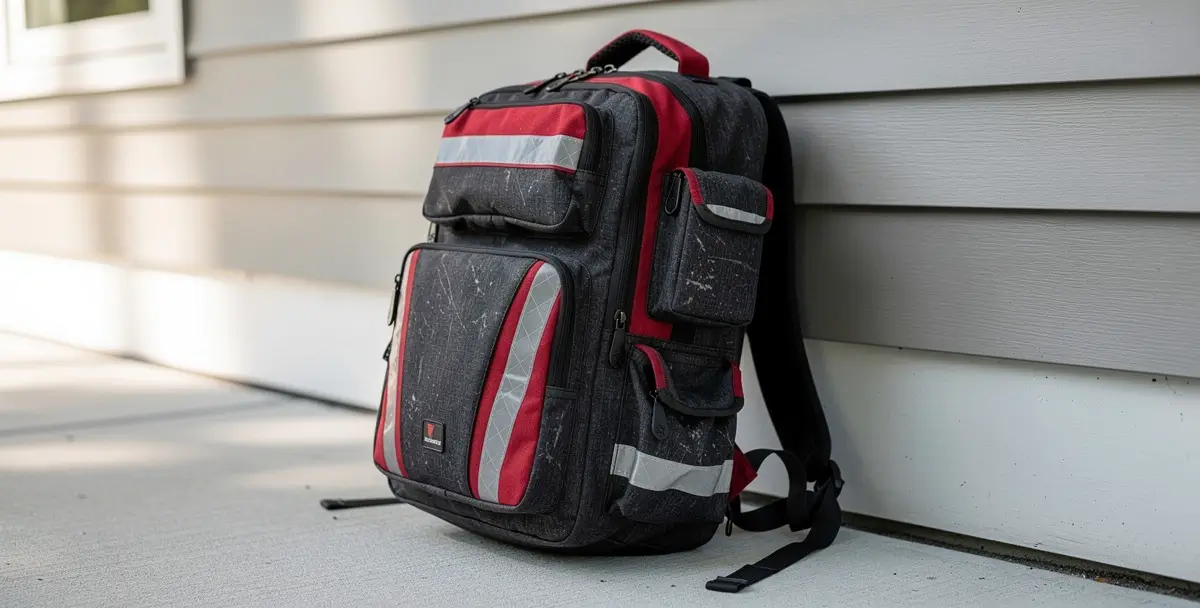
- Equipment: In your gear, alongside items like the 72H emergency backpack, there should be chlorine dioxide tablets and a gravity filter.
Incorrect Car Storage
If you keep water in the car as part of your car kit, avoid PET bottles – they burst in the cold. Use HDPE canisters and leave room for expanding ice.
Water storage is the foundation of peace. Knowing your family has something to drink allows you to maintain clarity of mind. Start building your 'water insurance' today.
Frequently Asked Questions
helpHow long can water be stored in a canister?
Water in a sealed HDPE canister stored in a dark and cool place remains drinkable for at least 6-12 months. It's worth rotating it or adding a preservative preparation (e.g., silver ions).
helpIs water from a garden pool suitable for drinking?
Only as a last resort and after multi-stage treatment (filtration + boiling). It contains many chemicals, so it's better to treat it as technical water.