Training and Skills: Your True Resilience
We gather supplies, buy the latest gear, and meticulously analyze the contents of our emergency backpack. It's a natural instinct, but also a trap. The truth about crisis situations is brutal: gear without skills is just dead weight, and in extreme cases – a false sense of security. What good is a tactical tourniquet in your first aid kit if you don't know how to apply it correctly under stress?
Building personal resilience is a process that should begin in peacetime. Skills, unlike supplies, weigh nothing and no one can take them from you. Here are the foundations that realistically increase your chances of survival.
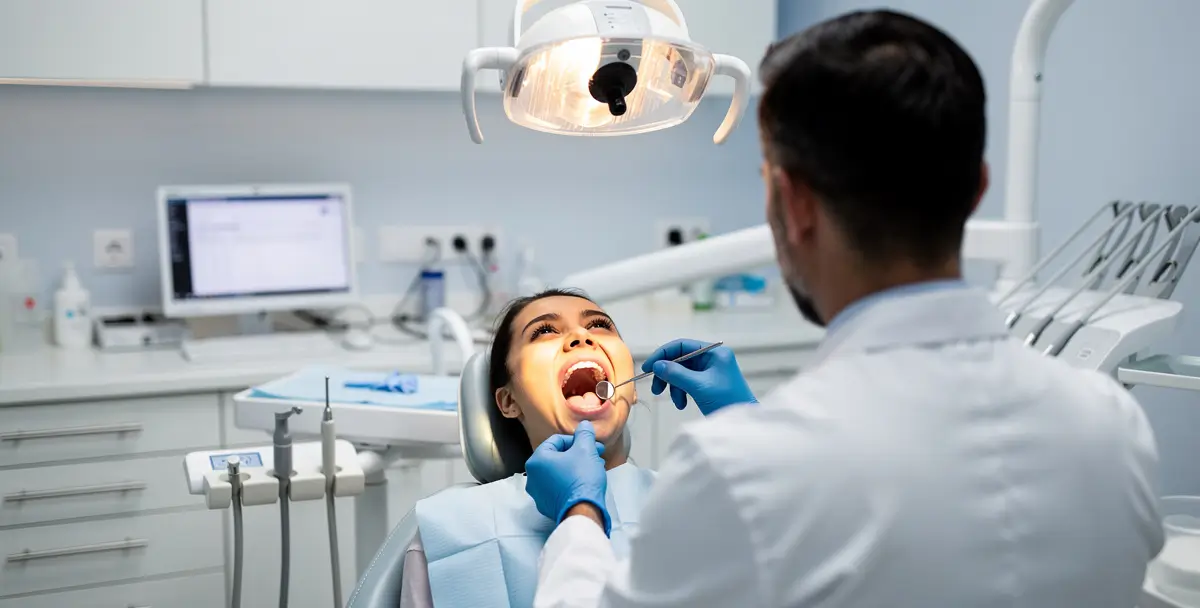
1. First Aid: A Skill That Saves Lives in a Minute
This is an absolute priority. Statistics from armed conflicts are relentless: 50% of the wounded die within the first minute. If you can stop massive bleeding, you buy the victim time.
- Practice Over Theory: You can't learn first aid from videos. You must take a course and practice procedures on a manikin.
- Tactical Combat Casualty Care (TCCC): Teaches how to act under threat, where the priority is first eliminating the threat.
- Psychological Aspect: Knowledge of rescue acts as a vaccine against PTSD – we panic less. This will also be useful for your family's health prevention.
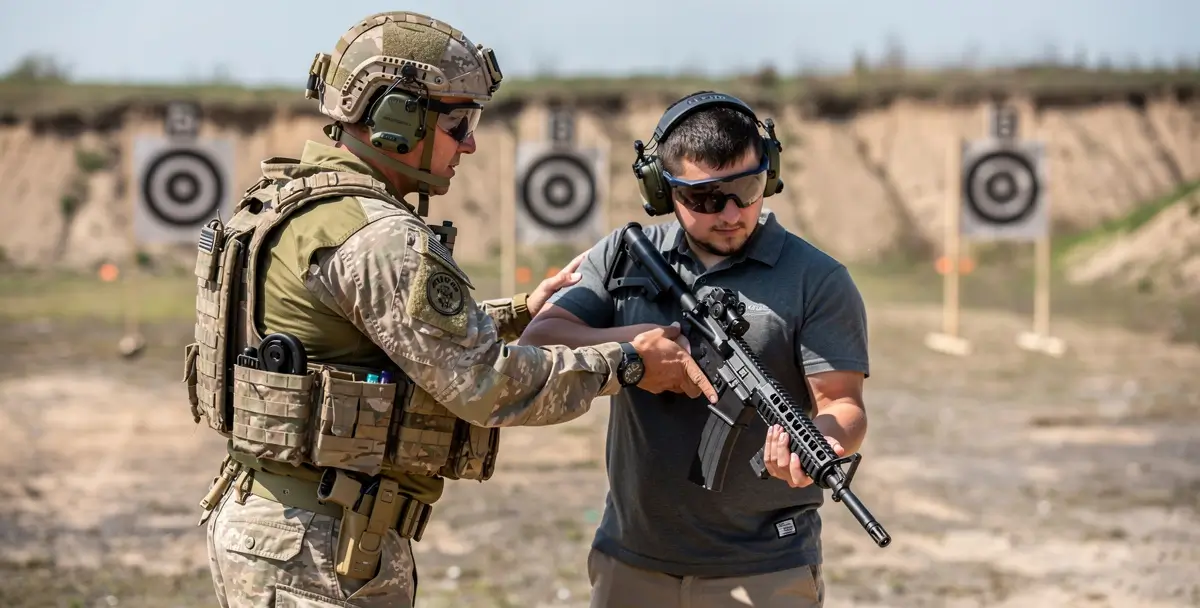
2. Firearms Handling and Safety: Leader's Responsibility
Not everyone needs to be a soldier, but knowing the rules of safe firearms handling becomes crucial in the era of real threat.
Firearms Safety
3. Survival Techniques: Urban vs. Field
Survival is the art of staying alive, but we must distinguish between recreation and real needs during evacuation from a city.
- Urban Survival: Dealing with blackouts, water purification, and ensuring warmth in an apartment.
- Field Techniques: The ability to build a shelter is valuable, but do not treat the forest as a safe haven in an occupied zone.
- Analog Navigation: Reading a paper map and using a compass is a foundation when GPS fails. Essential when using a car kit.
4. Situational Awareness and Action Algorithms
The most important survival tool is your mind. Experts recommend two key algorithms for managing panic:
Succumbing to Crowd Instinct
Apply the STOP procedure: Stop, Take a breath, Observe, Proceed. Spend 15 seconds assessing the situation.
In situations of direct attack, use the 4U principle: Understand, Undercover, Unfold (escape), Unitize (counter).
How and Where to Train?
Building competencies doesn't have to be expensive. Take advantage of available programs and organizations:
- Defense Organizations and NGOs: Local shooting clubs or survival groups.
- Military Training: Programs like 'Train with the Army' or Voluntary Basic Military Service.
- Home Training: Conduct regular exercises with your family – packing backpacks, finding the first aid kit, weekend without power.
Remember that in the hour of trial, you don't rise to the level of your expectations, you fall to the level of your training. Investing in knowledge is the best financial security you can provide for yourself.
Questions about Training
helpDo I need to own a weapon to train?
No. Most ranges offer training with range-owned weapons and instructor supervision. This is the best way to learn safe handling.
helpWhich first aid course should I start with?
Start with a BLS/AED (Basic Life Support) course, and then look for 'Stop The Bleed' or TCCC for civilians training.