Financial Reserve: Your Evacuation Fund and Mobility Insurance
In the face of a real crisis, most people instinctively think of food or water supplies. This is important, but in a world based on digital capital flow, your wallet may turn out to be your weakest link. When the power goes out and banking systems fall victim to cyberattacks, your savings become a digital record with no real purchasing value.
Building a financial reserve for war-time is not pessimism, but cold calculation. You must assume that in the first 72 hours of a conflict, payment terminals will stop working and ATMs will not dispense a single cent. Here is how to professionally prepare your finances for the worst-case scenario.

1. Cash in Hard Currencies (USD, EUR, CHF)
In a situation of armed conflict, the local currency (PLN) rapidly loses value. History teaches that trade partners providing fuel or raw materials demand hard currencies.
- Currency Diversification: Your reserve should consist of US Dollars (USD), Euros (EUR), and Swiss Francs (CHF).
- Low Denominations: Carrying only $100 bills is a mistake. In chaos, no one will give you change for water or fuel. Keep a significant portion in small denominations.
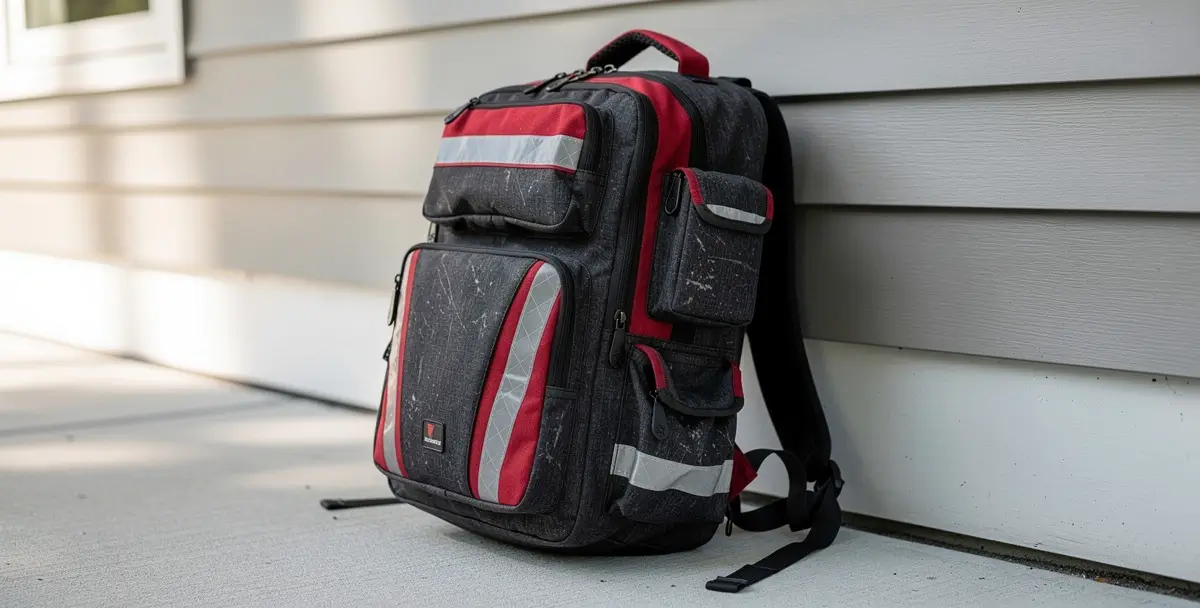
- Storage Rules: Cash must be physically available at home, preferably in a water- and fire-resistant container. Remember to have it ready to toss into your 72H emergency backpack.
Do not brag to anyone about having cash and do not inform children about the hiding place to avoid becoming an easy target.
2. Physical Gold – The Only Money Without Obligations
Gold is no one's obligation – there is no government promise behind it that can be broken during war. It is the anchor of your wealth.
Bullion Investment Strategy
3. Foreign Bank Account
Having an account in a stable bank in Western Europe and a payment card linked to it is the absolute foundation of your mobility.
- Independence from Local System: Allows your family to rent an apartment abroad, even if the local system is paralyzed.
- Global Assets: Consider keeping part of your funds with global brokers in ETFs for global stocks. In case of war, the local stock exchange is usually closed.
- Digitalization of Documents: Upload all deeds of ownership to an encrypted USB drive. Learn more about safety and supplies at home.
See how to properly digitalize and secure your most important family documents.
Why You Must Act Now?
Every financial crisis develops gradually. When the first shot is fired, it will be too late for currency exchange or gold purchase – prices will skyrocket and availability will drop to zero.
Preparing a financial reserve is an element of your psychological resilience. Knowing that you have the funds for transport, medicine, and safe shelter for your loved ones allows you to stay calm and rationally plan your next steps.
Lack of Discretion
Your reserve must be discreet and mobile. During a state of emergency, the state may restrict your rights and search your property.
Take care of your finances just as you take care of preparations for blackout and power outages – in advance and based on facts. Only real assets will provide you with freedom of choice in the hour of trial.
Frequently Asked Questions
helpIs keeping cash at home safe?
In war conditions, the physical availability of cash outweighs the risk of theft. Use certified fireproof safes and maintain strict discretion.
helpWhy is USD better than local currency during conflict?
The US Dollar is a global reserve currency. During war, local currencies are devalued, and USD gains value as a safe haven.