
72H Bug Out Bag – Complete Packing Checklist
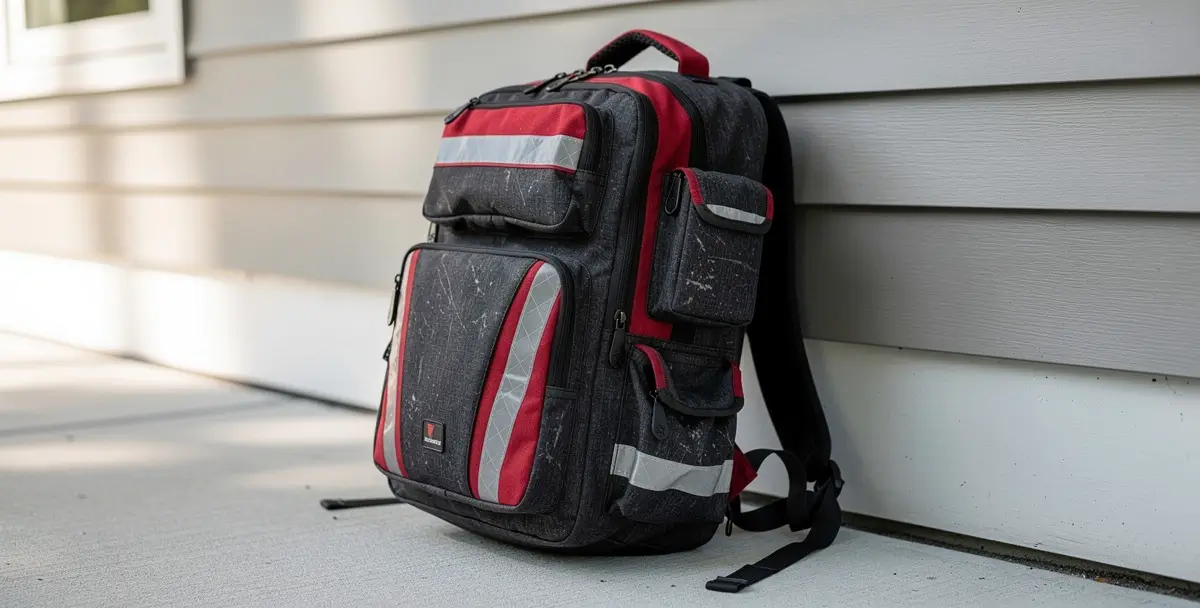
When sirens wake you in the middle of the night and the power suddenly goes out, time is no longer on your side. In such a moment, there is no place to wonder where your passport is or if there are band-aids in the first aid kit. A Bug-Out Bag (BOB) is not a gadget for "survival enthusiasts," but an insurance policy that we hope you will never have to use.
The rule is simple: the bag should allow you to leave home immediately and survive the first 72 hours in conditions where systemic help has not yet arrived. Below you will find a specific list of things that must be in your set, based on expert guidelines.
1. Documents and Digital Security
This is the absolute foundation. Without identity and proof of ownership in the chaos of war, you are almost invisible to the system.
Checklist: Documents
Smartphone memory will fail when the battery dies. A physical notebook is reliable.
2. Cash – Your Fuel in a Crisis
In the first days of conflict, payment terminals and ATMs are often just dead objects.
- Three Currencies: Keep cash in Zlotys, Dollars, and Euros.
- Low Denominations: Small amounts are key when buying water or fuel – no one will give you change from a hundred dollars.
- Physical Gold: A small amount of jewelry or small bars can serve as an ultimate bargaining chip.
Learn more about how to take care of finances during a crisis.
3. Water and Food: 72H Strategy
Forget big cans. The bag must be light and mobile.
Survival Resources
Choose products with high caloric density that do not require cooking.
4. Communication and Light
Information in a crisis is worth as much as bread.
- Battery Radio: The most important source of messages from the Administration (long wave LW and short wave SW).
- Flashlight (preferably headlamp): Frees your hands and allows for safe movement.
- Powerbank: Choose a high-capacity model. Avoid those with small solar panels.
Complete guide on how to prepare for long-term power failure.
5. Health and Hygiene
In evacuation conditions, a minor infection can become a serious problem.
First Aid Kit and Hygiene
6. Clothing and Shelter
Your goal is to survive in all weather conditions.
- Layering Principle: Thermal underwear, fleece, solid rain jacket.
- Shoes: Comfortable, broken-in, preferably over the ankle.
- Sleeping Bag and Thermal Blanket: Key for maintaining warmth at night.
Avoid military colors (camo). In a conflict zone, you may be mistaken for a soldier, which makes you a target.
7. Multi-tools
- Multitool or Pocket Knife: For minor repairs and meal preparation.
- Lighter or Matches: Preferably waterproof.
- Whistle: Effective tool for calling for help.
- Local Map: A paper map is the only certainty when GPS fails.
How to Approach Packing?
Each household member should have their own bag, adapted to their physical capabilities. Remember that a bug-out bag is not a static object – you must test it.
Try to spend a weekend using only its contents. You will quickly find that the flashlight requires new batteries, and the shoes that were supposed to be comfortable rub your feet.
Preparation is not paranoia. It is building resilience that will allow you to stay calm when others panic.
How to effectively use your set in practice during the outbreak of conflict.
Frequently Asked Questions (FAQ)
helpWhat should a bug out bag contain?
A 72H bug out bag should contain: documents, cash, water (min. 3L), food for 3 days, first aid kit, flashlight, battery radio, powerbank, change of clothes, hygiene products, and a multi-tool.
helpCan I use camo clothing?
We strongly advise against it. In a conflict zone, military clothing may make you look like a combatant, exposing you to direct danger.
helpHow much cash to keep in the bag?
It is recommended to have an amount that allows for fuel and food for several days for the whole family, preferably in small denominations and three currencies: PLN, USD, EUR.

