Survival Psychology: A Mindset Stronger Than Gear
When the sirens start to wail and the internet on your phone suddenly stops working, the most valuable thing you possess is not professional gear. It is your mind. Gear without skills is just dead weight, and skills without emotional control become useless in a fraction of a second.
In crisis situations, it is panic, not the threat itself, that is often the main cause of tragedy. A survival mindset is a process you must start building now, in peacetime.

1. The First 72 Hours: The Calm Before the Emotional Storm
Most of us imagine the outbreak of war as a Hollywood scene. Reality is different: a crisis often starts in silence or with a 'strange' system failure – terminals don't work, ATMs show downtime, phones are silent.
These first hours are crucial. If you don't have a plan, your brain will start to deny the facts, leading to decision paralysis. The key is to accept the situation and move to procedures.
2. Algorithms That Save Lives: STOP and 4U
Instead of acting under crowd psychology, implement proven action algorithms in your mind.
The STOP Algorithm
In situations of direct contact with an attacker, use the 4U algorithm: Understand, Undercover, Unfold (escape), Unitize (counter).
3. Information Security as a Mental Shield
Information in a crisis is a weapon. Disinformation aims to trigger panic and undermine trust in the state. To avoid manipulation:
- Verify Sources: Get reliable information from official government alerts or specialized apps.
- Rule of Three Sources: Confirm key messages in at least three independent places.
- Emotions are a Signal: The more an information terrifies or enrages you, the more carefully you must check it.
Learn more about how to recognize disinformation and hybrid warfare techniques.
4. Planning: Building Family-Level Resilience
Knowing that your basic needs are secured acts as a stress shield. Establishing action plans gives every family member a sense of security.
- Plan A: We meet at home.
- Plan B: If the home is gone, we meet at a pre-arranged external point.
- Plan C: Evacuation to family in a safe region.
An honest conversation about procedures is better than their fear of the unknown. Everyone should know where their 72H emergency backpack is.
5. System Testing: Practice Makes Perfect
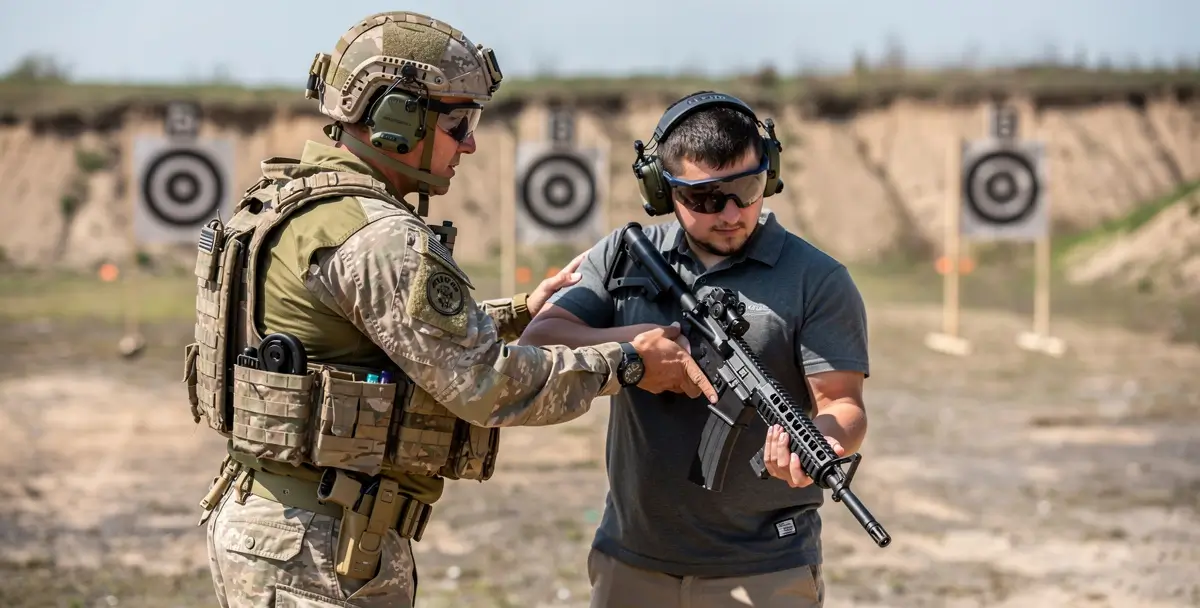
In the hour of trial, you don't rise to the level of your expectations, you fall to the level of your training. Test your preparations:
Training Scenarios
Such exercises build muscle memory and drastically lower cortisol levels in a real crisis. This is also the time for health prevention.
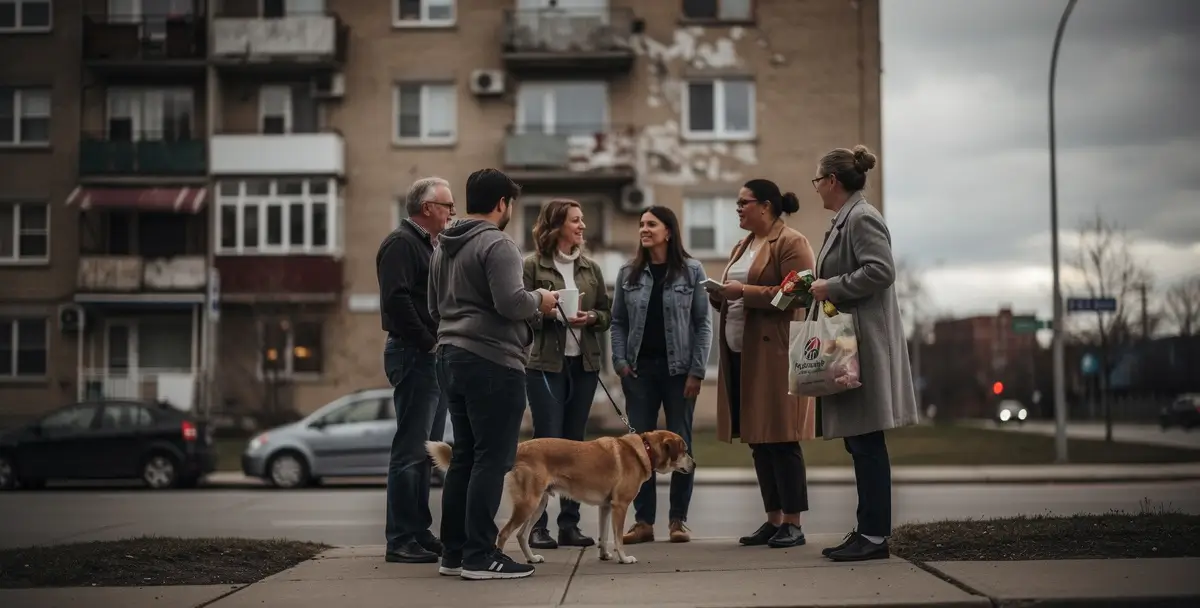
6. Group Strength: Neighbors as Your Survival Multiplier
Lone wolves die faster in a crisis. Being part of a group increases survival chances even 2.5 times. Neighborly cooperation allows for resource and competency sharing.
Fighting Alone
Isolation during a crisis is the easiest way to exhaust resources and suffer a mental breakdown. Build trust-based relationships now.
A survival mindset is a responsibility. Focusing on action instead of worrying is the best way to handle a blackout or any other threat.
Survival Psychology - FAQ
helpHow to distinguish panic from rational fear?
Fear is a natural warning signal that mobilizes to action. Panic is paralysis or chaotic, aimless movement. The STOP algorithm helps turn fear into effective action.
helpHow to convince family to practice without scaring them?
Present exercises as a form of fun or building new skills (e.g., camping at home). Focus on the sense of empowerment, not on the vision of catastrophe.