Neighborhood Cooperation: Together We Survive More
In an era of rising geopolitical uncertainty, we often fall for the vision of the 'lone wolf' – a prepper who survives any apocalypse alone. Statistics and the history of armed conflicts brutally verify this approach: in crisis situations, individuals acting in a group have 2.5 times greater survival chances than those isolating themselves. When state systems are paralyzed, it is your 'small homeland' – your stairwell, street, or village – that becomes the most important defense structure.
Below, I present a concrete strategy for building a local support network that will allow your community to survive the toughest times.
1. End of Anonymity: Your Greatest Asset is Your Neighbor
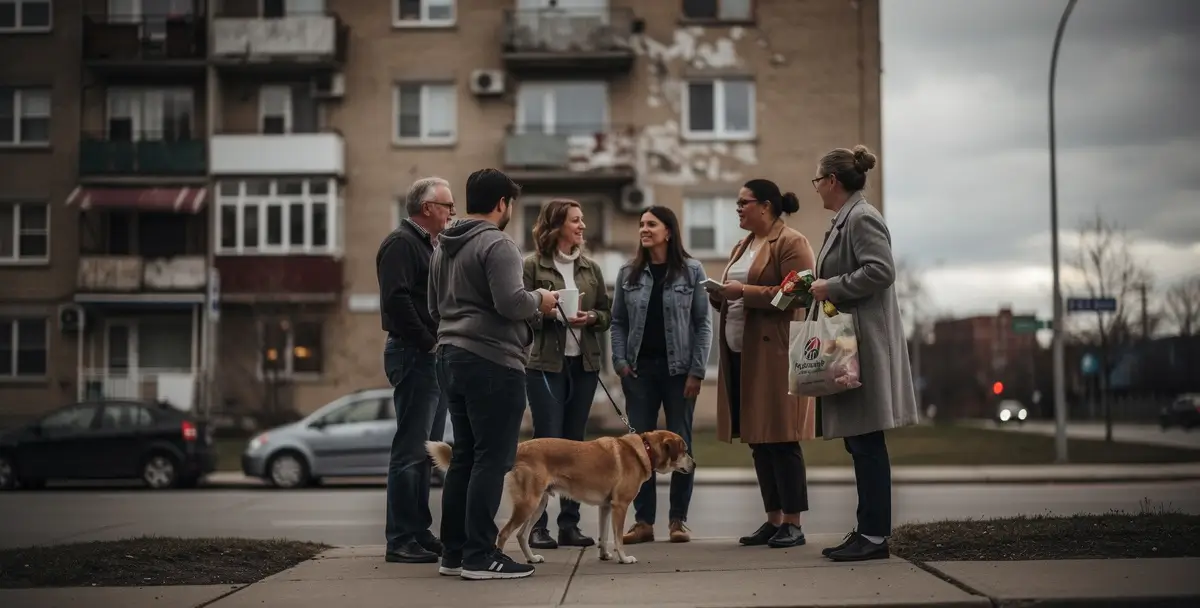
Modern housing estates are often 'concrete deserts' where residents remain anonymous. In a crisis, this anonymity becomes a fatal threat, facilitating infiltration by strangers.
Inventory of Local Resources
2. Resource Sharing – Survival Logistics
In a situation of a long-term blackout, individual resources run out quickly. Shared management allows for a radical boost in morale.
- One Generator for Several Homes: One device is enough to power key refrigerators or charge power banks for a whole stairwell.
- Shared Water Points: Identify local deep wells and hand pumps (Abyssinian pumps) within a kilometer of your home.
- Barter instead of Cash: When your financial security fails, coffee or hygiene products will become valuable currency.
3. Protecting the Vulnerable is the Leaders' Duty
The state in the first days of conflict will focus on operational actions. The burden of caring for dependent people will fall on neighbors.
Support for Those in Need
Every child's 72H emergency backpack should contain contact details for all people in the support network.
4. Security and Civic Vigilance
An organized group is a much less attractive target for looters than a lone family.
- Neighborhood Watches: Joint patrolling of the estate after dark allows for quick identification of strangers.
- Decision-making: Plan shifts in consultation with all household members.
- Alarm Signals: Knowing the rules of alarming (modulated siren sound – 60 seconds) and passing information to people without media access.
5. Fighting Disinformation as a Mental Shield
In a crisis, information is a weapon, and fear is its ammunition. A local support network must serve to filter false reports.
Spreading Rumors
Do not share unconfirmed information about fuel shortages or ATM closures. Apply the rule of three independent sources.
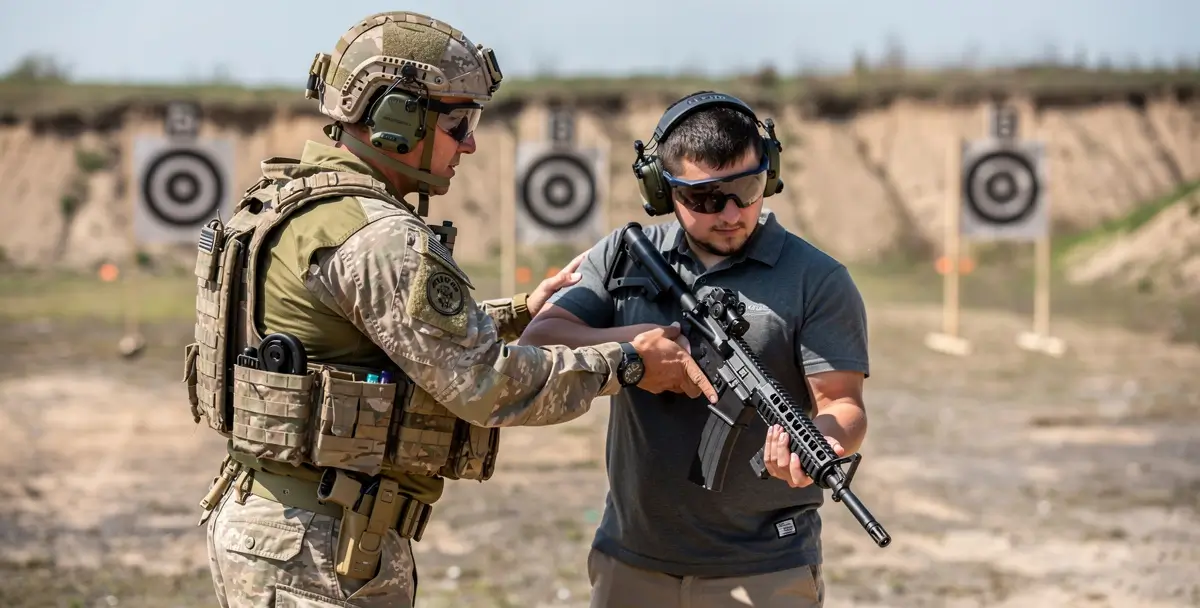
People with high mental resilience should apply the STOP algorithm and practice training and skills with friends.
Learn more about how to build mental resilience and master fear in crisis situations.
Questions about Local Cooperation
helpHow to start building relationships in a distrustful neighborhood?
Start with small steps: ask a neighbor for advice on a simple matter, offer help with heavy groceries, or organize a joint barbecue in the yard. Trust is built over years but pays off instantly in a crisis.
helpWhat if I don't trust my neighbors?
You don't have to trust everyone unconditionally. Focus on finding 2-3 people with whom you share similar values and on whom you can rely. That's already enough to create the seed of a support network.