Health Prevention: Your Body as the Most Important Asset
Most people building their resilience for difficult times make the same mistake: they focus on objects, forgetting the most important 'asset', which is their own body. When the power goes out and the healthcare system shifts to war mode, your patient card will lose its meaning – all that will matter is the physical and mental state you are in when the crisis hits.
When bombs start falling or infrastructure paralysis occurs, no one will have time to deal with your 'minor' ailments. Below you will find a concrete plan of medical actions you must take before access to a doctor becomes a luxury.
1. Dentist – A priority no one thinks about
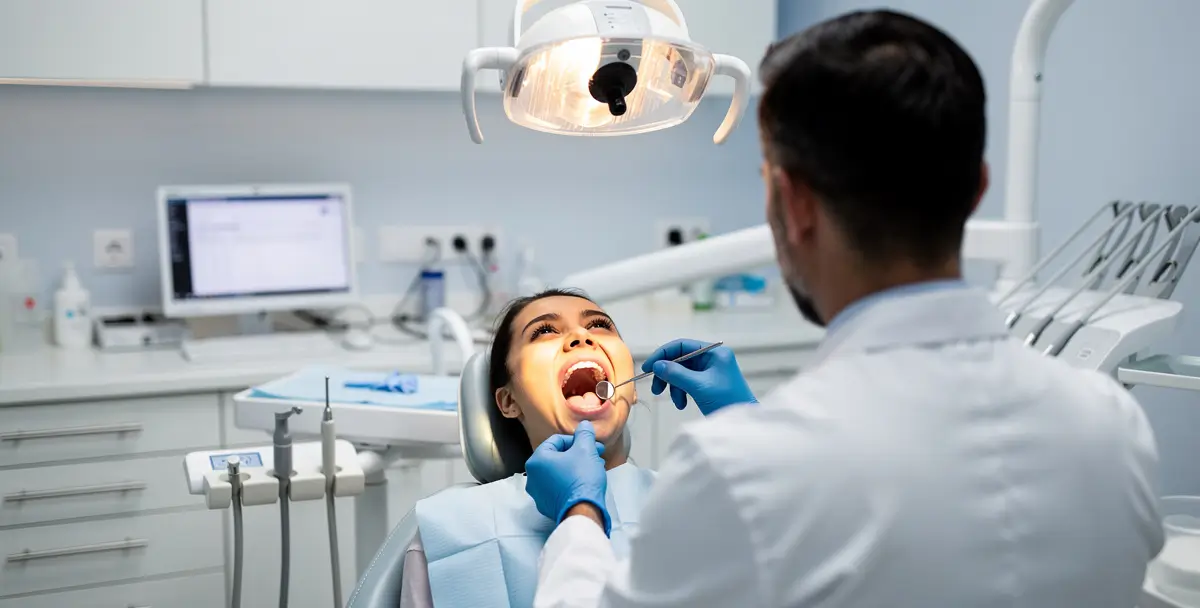
Many preppers have a year's supply of rice but not a single healthy tooth. This is a cardinal mistake. Going to the dentist is the first thing you should do when planning crisis preparations.
In conditions of no power and no sterile tools, a simple pulp inflammation becomes torture that eliminates you from any action.
If you have teeth for root canal treatment or extraction – do it now, while anesthesia is widely available.
2. Planned procedures: Don't wait for a 'better time'
If you've been putting off knee surgery, varicose vein removal, or vision correction for months, stop stalling. When a conflict breaks out, civilian hospitals will be instantly integrated into the military medical security system.
All resources will be redirected to saving those wounded in combat, and patients with 'planned procedures' will be turned away indefinitely.
3. Medicine supply strategy: The month rule
The experience from the first days of the war in Ukraine is brutal: in Lviv alone, by 7:00 AM, ATMs were empty, and by noon, almost all key medicines had disappeared from pharmacies.
- Chronic Illnesses: If you or your loved ones take medicine regularly, you must have at least a month's supply (insulin, blood pressure, thyroid).
- Antibiotics: It's worth stocking up on a broad-spectrum antibiotic. In wartime, strep throat can become a fatal threat.
- Home First Aid Kit: Should be packed in an easy-to-carry box or bag, ready to be tossed into a 72H emergency backpack.
4. Division and mobility of medical equipment
Your medical supplies should be divided into two parts, allowing for more effective action under stress:
Medical Equipment Structure
Learn more about how to secure hygiene and water at home to avoid gastrointestinal problems during a crisis.
5. Skills more valuable than gear
Battlefield statistics are relentless: 50% of the wounded die within the first minute, and another 30% within the first hour. If you don't know how to stop bleeding, even the most expensive first aid kit won't save your loved ones.
Absolutely learn first aid – it's a key skill in both peace and war. Training in combat medicine builds so-called resilience.
6. Mental health prevention
War is not just physical wounds; it's primarily massive stress that can lead to paralyzing adjustment disorders.
- Building Morale: Include 'treats' – favorite snacks or coffee that will improve the mood in a dark cellar.
- Neighborly Support: Lone wolves die faster. Knowing your neighbors is an element of your collective medical protection.
Health is the foundation of your financial security and the chance for a successful evacuation from the city. Don't delay prevention until the sirens hit. Start with the dentist. Today.
Questions about Health Prevention
helpHow can I get a month's supply of medicine?
Have an honest conversation with your doctor about your preparations. Many doctors understand the need for a reserve and will issue an additional prescription for regular medications.
helpWhat medical training should I choose?
The best choice for a civilian is a first aid course or dedicated Stop The Bleed and combat medicine training (TCCC for civilians).